Three to Six Months: Finding Your Target Amount
How to calculate the right emergency fund size based on your actual expenses, not arbitrary numbers everyone quotes.
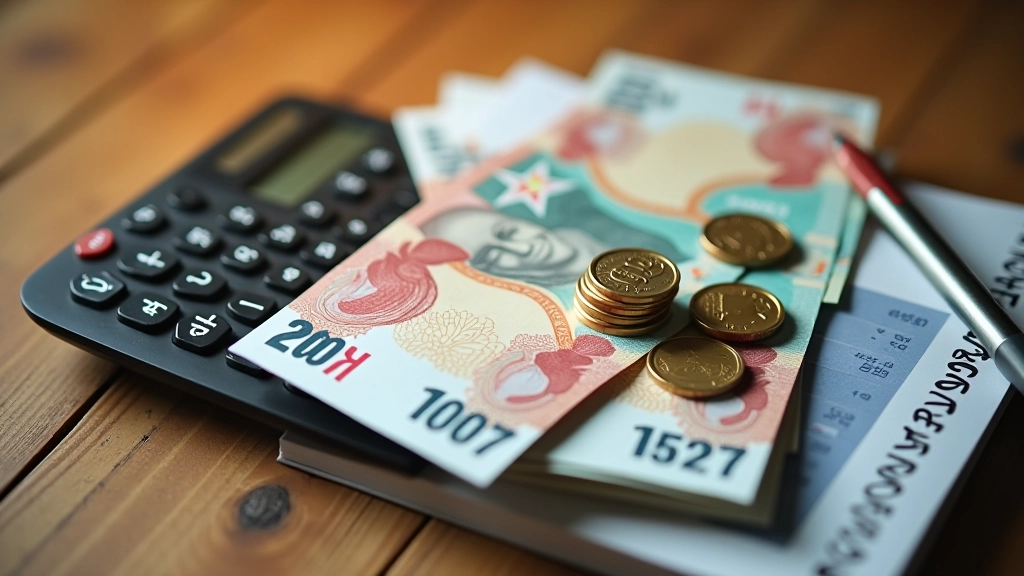
You’ve probably heard the advice before — save three to six months of expenses. It’s everywhere. Financial advisors say it. Online guides repeat it. But here’s the thing: nobody tells you how to actually figure out what three to six months means for your specific situation.
The truth is, the number depends entirely on your life. Your job security. Your dependents. Your fixed costs. A freelancer needs a bigger cushion than someone with stable employment. A single person needs less than a parent of three. This guide walks you through the real calculation, so you’ll know exactly what number you’re working toward.

Step One: Calculate Your Monthly Expenses
Start with what you actually spend. Not what you think you spend — what you really spend. Most people underestimate by 20-30%.
Gather your bank and credit card statements from the last three months. Go through and categorize everything: rent or mortgage, utilities, groceries, transportation, insurance, subscriptions, phone bills, debt payments. Be thorough. That streaming service you forgot about? It counts.
Add it all up. Divide by three. That’s your average monthly spend. If you get paid irregularly or your expenses fluctuate seasonally, grab six months of data instead. The more accurate your number, the more useful your target becomes.
Here’s a practical example: if you spend RM4,500 per month on essentials, that becomes your baseline figure.
Step Two: Determine Your Target Duration
This is where personal circumstances matter. The three-to-six-month range isn’t random — it’s designed to handle different life situations.
Three months (minimum) works if you’ve got stable employment, a secure income source, or low financial obligations. You’re not expecting major disruptions. Job loss? You’d likely find something within 90 days. Medical emergency? You’ve got time to explore payment plans or insurance claims.
Four to five months suits most people. It’s the middle ground. You’ve got some cushion if job hunting takes longer. If you’ve got dependents or a mortgage, this range gives you breathing room.
Six months or more makes sense if you’re self-employed, work in a volatile industry, support dependents, or have significant debt. Freelancers especially benefit from this — client work isn’t guaranteed. Parents know that unexpected costs pile up quickly.
Don’t stress about picking the “right” number between these ranges. Three months is your floor. Six is your target. Anywhere in between is solid.
The Simple Math
Three Months Target
Monthly expenses 3
RM4,500 3 = RM13,500
Your baseline emergency fund. Covers shorter job transitions and minor crises.
Five Months Target
Monthly expenses 5
RM4,500 5 = RM22,500
Solid middle ground. Most people should aim here once they’re able.
Six Months Target
Monthly expenses 6
RM4,500 6 = RM27,000
Comprehensive protection. Best for self-employed or variable income situations.
Real Numbers: What This Looks Like in Malaysia
Let’s get concrete. Here’s what emergency fund targets look like for different Malaysian situations.
A mid-level professional in Kuala Lumpur with rent at RM1,800, utilities RM150, groceries RM600, transport RM400, insurance RM300, and miscellaneous RM250 = RM3,500 monthly. Their three-month target would be RM10,500. Six months? RM21,000.
A freelance graphic designer might have RM5,200 in monthly costs (higher rent, equipment costs, inconsistent income). Their six-month target would be RM31,200 — substantially more, but justified by income unpredictability.
A parent in Johor with dependents might spend RM6,000 monthly including school fees and healthcare. Six months becomes RM36,000. That sounds like a lot, but it’s insurance against a genuinely difficult situation.
These aren’t theoretical numbers. They’re real targets that real people work toward, usually over 12-24 months by setting aside money each payday.

Making the Target Manageable
Here’s the reality: if your target is RM25,000, you can’t save it overnight. You don’t need to. Start with three months and build from there. Save what you can comfortably afford each month — RM200, RM500, RM1,000, whatever your budget allows.
Many people use the high-yield savings accounts offered by Malaysian banks to make their money work harder while they build. A 3-3.5% annual return isn’t transformative, but on RM15,000 it’s an extra RM450-525 per year. Over time it adds up.
Some use a fixed deposit ladder strategy — splitting money into deposits that mature every few months so you can access funds without penalty if needed. Others keep three months in a savings account for quick access, then put the additional months in fixed deposits for better returns.
The point isn’t speed. It’s consistency. If you save RM500 monthly, you’ll hit a RM15,000 target (three months) in 30 months. That’s two and a half years. It’s totally reasonable. You’re building financial stability, not winning a race.
Your Target is Personal
The three-to-six-month framework isn’t one-size-fits-all, and it shouldn’t be. It’s a range that accommodates different lives and different risk tolerances. Your target might be RM12,000. Or RM35,000. Both are right if they match your situation.
Calculate your actual monthly expenses. Assess your job security and financial obligations. Pick a target within the range that feels appropriate. Then build toward it steadily. That’s it. You don’t need to overthink it or feel pressured to match someone else’s number.
Once you know your target, the next step is choosing where to keep that money. High-yield savings accounts offer easy access plus modest returns. Fixed deposits provide better returns if you can commit to the timeframe. Many people split the difference — keeping three months liquid, investing the rest for better returns.
An emergency fund isn’t exciting. It won’t grow your wealth or make you rich. But it’s arguably the single most important financial tool you can build. It keeps you from going into debt when something unexpected happens. It lets you handle job changes, health crises, or home repairs without panic. That peace of mind is worth the effort.
Important Disclaimer
This article is educational information about emergency fund planning. It’s not financial advice, and circumstances vary significantly based on personal situation, income stability, and local economic conditions. Consider consulting with a qualified financial advisor who understands your specific circumstances before making financial decisions. Past savings performance doesn’t guarantee future results, and all financial strategies carry risk.
Related Articles